
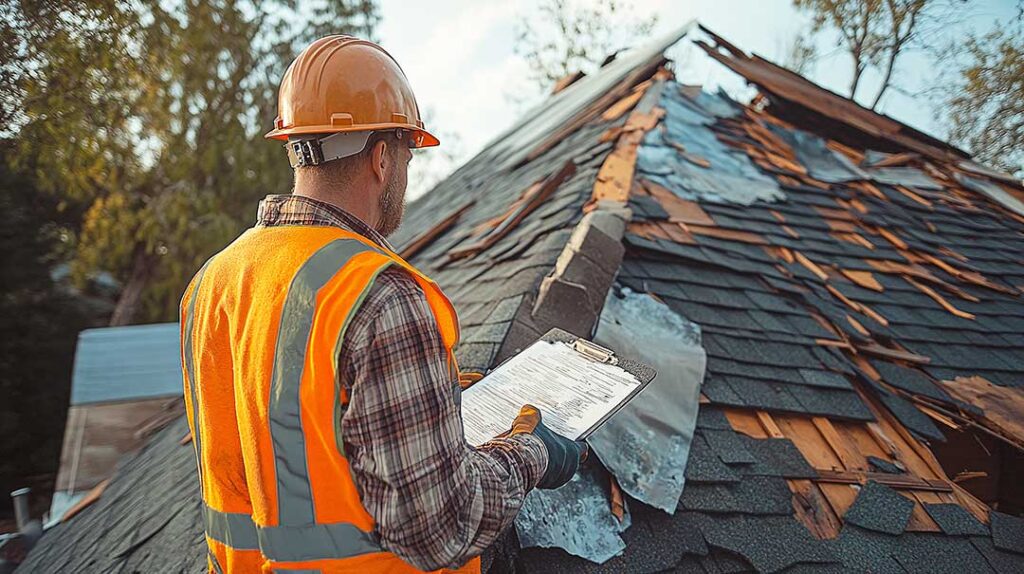
What does sun exposure do to a roof?
Sun exposure gradually changes roofing materials through heat, ultraviolet radiation, and repeated expansion and contraction. In Utica, NY, these effects interact with cold winters, snow, ice, and changing seasonal temperatures, which can make small weaknesses more noticeable over time.
A roof does not need to receive intense sunlight all day to be affected. Areas that face south or west generally receive more direct afternoon sunlight, while shaded sections may stay cooler and retain moisture longer. The result is often uneven aging across the same roof.
How does ultraviolet light damage roofing materials?
Ultraviolet, or UV, radiation breaks down the chemical compounds that help roofing materials remain flexible and weather-resistant. On asphalt shingles, this can gradually dry the surface, weaken the protective coating, and reduce the ability of the shingle to shed water.
Visible signs may include:
- Faded or uneven shingle color
- Loss of surface granules
- Brittle or curled shingle edges
- Cracks around exposed areas
- Shingles that appear thinner or more worn on one roof slope
Color fading by itself does not always mean a roof is failing. Some fading is a normal result of weather exposure. More concerning signs include exposed fiberglass mat, missing granules in gutters, cracking, or shingles that lift easily at the edges.
UV exposure can also affect flashing sealants, pipe collars, roof cement, and other components that remain exposed to sunlight. These materials may harden, shrink, or lose flexibility before the surrounding roofing appears seriously worn.
Why does heat make roof aging worse?
Sunlight heats the roof surface, sometimes making it much warmer than the surrounding air. After sunset, the surface cools again. This daily cycle causes roofing materials to expand and contract.
The movement is usually small, but it happens repeatedly. Over many seasons, repeated movement can contribute to:
- Cracks in older shingles
- Loosened sealant around penetrations
- Gaps at flashing joints
- Splitting in aging membrane materials
- Stress around roof edges and fasteners
Heat also affects the roof deck and attic space beneath the covering. If attic ventilation is inadequate, heat can remain trapped for long periods. Excessive attic temperatures may increase stress on roof materials and can contribute to moisture problems when warm indoor air meets cold surfaces during winter.
Sun exposure is only one part of the process. The condition of the roof also depends on its age, installation quality, ventilation, material type, slope, and exposure to wind and ice.
Do shaded roofs last longer?
Not necessarily. A shaded roof may avoid some UV damage, but shade can create other problems. Tree branches, nearby buildings, and roof structures can block sunlight and slow evaporation after rain or snow.
A shaded roof slope may stay damp longer, increasing the chance of moss or algae growth. In winter, shaded areas may remain colder and hold snow or ice longer than sunny sections. Repeated freezing and thawing can stress shingles and flashing.
Trees can create additional risks by dropping branches, rubbing against shingles, and depositing leaves or needles. Organic debris can trap moisture against the roof surface and restrict drainage in valleys or near roof edges.
The healthiest roof is not necessarily the one with the most sunlight or the most shade. Consistent drainage, adequate ventilation, limited debris, and intact roofing materials matter more than exposure alone.
Which parts of a roof receive the most damage?
South-facing and west-facing slopes often experience more direct sunlight, particularly during the warmer part of the day. However, roof design can create localized exposure patterns.
Chimneys, dormers, ridges, valleys, and raised sections may cast shadows on nearby shingles. This can lead to visible differences in color and wear across a single slope. Roof edges may also experience additional stress because they receive more wind and may have less protection from surrounding structures.
Flat or low-slope areas can show heat-related wear differently from steep slopes. Water may remain on the surface longer if drainage is limited, combining moisture exposure with sunlight and temperature changes.
Roof penetrations deserve close attention because sealants and flashing are often more vulnerable than the field of the roof. A small opening around a vent or pipe can allow water into the roof system even when most shingles still look acceptable.
Can sun damage cause roof leaks?
Sun damage can contribute to leaks, but it is rarely the only cause. UV radiation and heat may make shingles brittle, weaken sealants, or open small gaps around flashing. Wind, ice, fallen branches, poor drainage, and age can then turn those weaknesses into active leaks.
Water stains on ceilings or upper walls should not be ignored, even if they appear below a shaded section of the roof. Water can travel along roof decking, rafters, insulation, or interior framing before becoming visible indoors.
Possible warning signs include:
- Damp or discolored attic insulation
- Water marks that grow after rain
- Peeling paint near upper walls or ceilings
- Musty odors in the attic
- Daylight visible through the roof deck
- Granules collecting in gutters or downspouts
A leak may appear far from the location where water entered. Interior staining alone cannot reliably identify the damaged roof component.
How can residents recognize uneven sun-related wear?
A visual comparison of roof slopes can reveal useful information. From the ground, look for differences in color, surface texture, shingle alignment, and missing granules. Binoculars can help provide a closer view without requiring anyone to climb onto the roof.
Check the ground and gutters for:
- Shingle pieces or loose granules
- Cracked sealant
- Deteriorated flashing
- Debris from nearby trees
- Granules concentrated below one roof slope
Roof inspections should be performed from a safe location. Walking on shingles can damage them, and steep, wet, icy, or snow-covered roofs are hazardous. In the local climate, winter conditions can hide damage until snow and ice have cleared.
Does roof color affect sun exposure?
Roof color can affect how much solar heat a roof absorbs. Darker surfaces generally become hotter in direct sunlight, while lighter surfaces tend to reflect more solar energy. The difference is influenced by material type, ventilation, insulation, roof pitch, and surrounding shade.
A lighter roof is not automatically more durable, and a darker roof is not automatically defective. Material quality and proper installation usually have a greater effect on service life than color alone.
Homeowners should also avoid judging roof health solely by appearance. A roof can look evenly colored while having hidden deterioration beneath shingles, around flashing, or within the roof deck.
What maintenance helps limit sun-related deterioration?
Routine observation helps identify problems before they spread. After major wind, ice, or heavy snow events, inspect visible roof areas from the ground and check attic spaces for moisture.
Useful maintenance steps include:
- Keep gutters and downspouts clear so water does not back up beneath roof edges.
- Trim branches that rub against shingles or drop heavy debris.
- Remove accumulated leaves and organic material without scraping the roof surface.
- Check attic insulation and ventilation for signs of excess heat or moisture.
- Look for failed sealants around vents, chimneys, and other roof penetrations.
- Record changes in shingle color, texture, or granule loss over time.
Repairs involving steep slopes, fragile shingles, electrical hazards, structural damage, or winter ice should be handled with appropriate safety precautions. A roof that has become brittle from age or exposure may be damaged simply by being walked on.
Sun exposure is a normal part of a roof’s environment, but its effects accumulate. In Utica, the combination of summer heat, strong seasonal sunlight, winter cold, snow, and freeze-thaw cycles makes regular observation especially useful. Understanding which roof areas receive the most exposure can help explain uneven aging and identify problems before they become interior water damage.
