

How do Utica, NY winters affect roofs?
Winters in Utica, NY bring significant snowfall, ice, temperature swings, and brisk winds. These conditions can strain local roofs, leading to leaks, ice dams, and shingle damage if not addressed before the season starts. Preparing in autumn reduces the risk of winter-related roof issues and promotes greater home comfort and safety throughout the cold months.
What should I look for during a fall roof inspection?
Start by visually checking the roof for loose, missing, or damaged shingles and flashing, especially around chimneys, vents, and valleys. Pay attention to areas hidden by trees or rarely seen from the street. Binoculars can make spotting trouble from the ground safer.
Inside the attic, look for signs of moisture, mold, or daylight peeking through boards. These can signal active leaks, deteriorated insulation, or ventilation concerns already underway.
Common signs that merit further attention include:
- Curled or cracked shingles
- Granule buildup in gutters
- Rusted or disconnected flashing
- Moss or lichen patches
- Damp wood or insulation
If roof access requires climbing or you see anything unsafe, use caution or consult a structurally knowledgeable person for help.
Why is cleaning gutters and downspouts essential before winter?
Gutters clogged with leaves, pine needles, and debris trap meltwater, which can freeze and expand, causing blockages or damaging gutters themselves. Overflowing water may back up under shingles, resulting in leaks or rot. Clearing gutters and ensuring downspouts direct water away from the foundation prevents these problems, especially important in neighborhoods with large, mature trees.
A flexible gutter scoop or garden trowel can help clear troughs, followed by flushing with a hose. Also, confirm that gutter hangers are secure and repair any sections tugged loose by heavy branch fall or past ice buildup.
How do attic insulation and ventilation affect winter roofing problems?
Adequate attic insulation and ventilation reduce the risk of ice dams—a major cause of winter leaks in Utica area homes. Warm attic air can quickly melt snow on the roof, causing water to refreeze at the colder edges and form ice dams. These dams push water back under shingles and into the house.
Ensure insulation blankets the attic floor evenly, especially at the eaves. There should be no gaps that allow household warmth to rise into the attic unchecked. At the same time, make sure soffit, ridge, or gable vents are unobstructed. This helps circulate cold air, keeping the attic temperature as close to outdoor air as practical.
Common misconceptions include:
- Believing more insulation is always better; improper installation can block crucial airflow.
- Ignoring attic ventilation in older homes, assuming "draftiness" covers the need.
How can I protect my roof against ice dams?
Prevention begins with good insulation and ventilation, but a few additional steps help further:
- Safely remove snow accumulation from the roof edge using a roof rake with a telescopic handle.
- Check for signs of existing ice dams—icicles at eaves, water stains on ceilings—and address them quickly.
- Avoid attempting to chop or melt ice dams on the roof with salt or sharp tools, which can damage roofing materials.
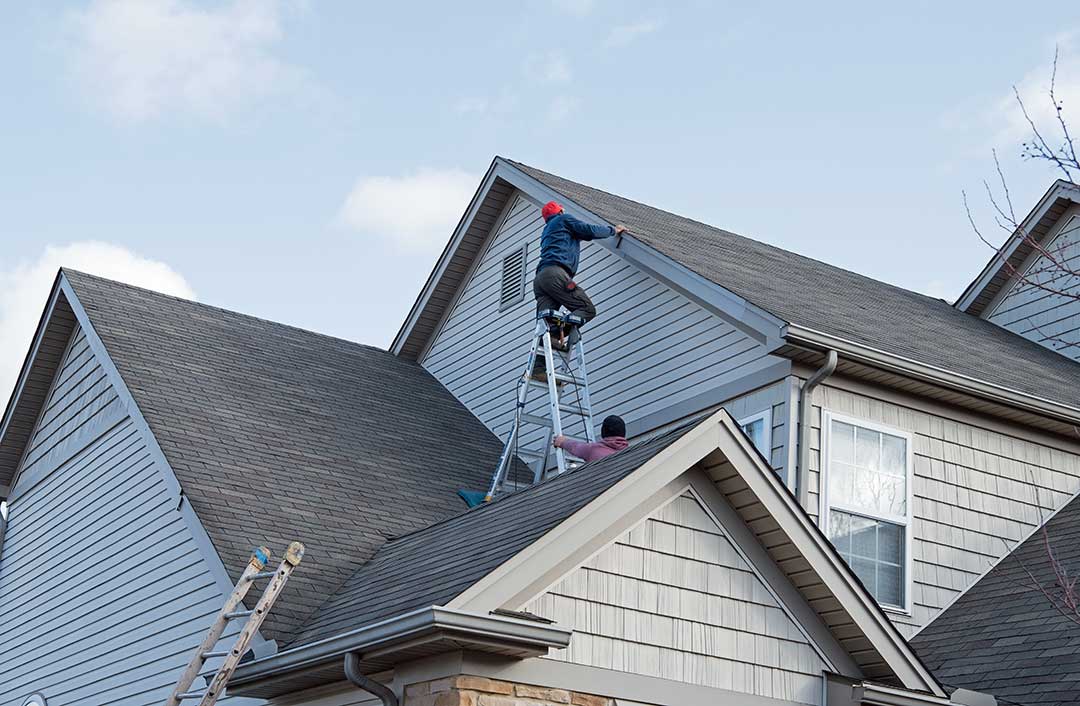
Area homes with low roof slopes, dormers, or complex rooflines should pay particular attention, as these designs have more places for snow and ice to accumulate.
Are roof repairs ever urgent before winter in Utica, NY?
Some issues cannot wait until spring. Active leaks or sagging (which can worsen under snow weight) should be addressed before snow and ice arrive. Open flashing, deteriorated valleys, or gaps near roof objects like chimneys need sealing. Waiting may mean water intrusion, interior damage, or escalation of minor issues into major repairs.
If resolving these issues involves working at height, on steep pitches, or handling heavy materials, consider local safety regulations and use professional-grade ladders and fall protection equipment whenever possible.
What local conditions or habits are often overlooked?
Several local patterns can impact roof health in winter:
- Trees close to the home may deposit leaf litter and branches throughout late fall, clogging gutters after an initial cleaning.
- Roofs shaded by other houses or buildings may retain moisture and ice longer, making them more prone to freeze/thaw cycles and hidden leaks.
- Many area homes feature attic fans, which need proper sealing or maintenance for seasonal airflow.
- Frequent snow blowing or plowing can block downspout outflows, leading to unexpected water pooling by foundations.
Residents sometimes assume their roofs are prepared based on past winters. However, last season’s weather or small unrepaired issues can add up, sometimes leading to problems with the first heavy snowfall.
What routine seasonal checks can homeowners do in Utica?
Late fall is an ideal time for residents to:
- Reinspect their roofs after all leaves have fallen and after any major early-season storms.
- Check attic humidity and attic/basement condensation, which can reveal ventilation issues.
- Confirm that walkways and driveways are clear of debris that could damage roof-access ladders.
Even simple steps—like regularly clearing off snow from roof edges with a rake after snowstorms or double-checking gutter outlets if there's a midwinter thaw—can prevent damage.
