
Why Do Mold and Mildew Develop on Roofs in Utica, NY?
Mold and mildew form on roofs due to a combination of moisture, shade, and organic material. Utica, NY, experiences a humid continental climate, with cold winters, wet springs, and warm, sometimes rainy summers. Snow and ice accumulation can linger on rooftops after a typical Central New York winter, keeping surfaces damp for weeks. In spring and early summer, frequent rainfall and fluctuating temperatures continue to create suitable environments for mold and mildew growth. Houses shaded by mature trees, or homes with north-facing roofs, often see more persistent issues because these conditions allow moisture to linger.
What Do Mold and Mildew Look Like on a Roof?
The most recognizable signs begin as discoloration and surface growths. Roof mold often appears as black, green, or even bluish spots. Mildew is usually lighter, presenting as white, yellow, or gray powdery patches. Homeowners may mistake these stains for ordinary dirt or roofing granule wear, especially from a distance.
Key visual clues include:
- Streaks or blotches running down roof slopes, commonly beneath shaded areas or near overhanging branches.
- Dull patches where shingles look less reflective or are stained.
- Growth that appears to have texture, almost like a thin layer of moss or velvet, especially in damp corners or gutters.
Are Mold and Mildew the Same Thing?
While many people use the terms interchangeably, mold and mildew are different types of fungi. On roofs, they share causes and look similar at a glance, but their appearance and impact can vary.
- Mildew prefers surface growth, tends to be patchy and light-colored, and often has a powdery feel.
- Mold can be darker and penetrate deeper into roofing materials, making it harder to remove. It’s typically more stubborn and carries a musty odor if disturbed.
Recognizing which is present can help residents of the city choose the right cleaning and prevention methods.
How Can You Tell Mold and Mildew Apart from Algae or Moss?
In Utica, roof stains may be mistaken for algae or moss growth, both of which are also common on older or shaded homes.
- Algae tends to show as long, dark streaks or stains and is especially prevalent on asphalt shingles. It rarely grows as a raised patch and often runs down with the flow of rainwater.
- Moss has a fuzzy, thick, and raised appearance—usually bright green and spongy—growing in clumps. Moss grows best in persistently damp and shady roof areas.
Mold and mildew remain shallow, patchy, and usually have a visible difference in color or powdery consistency. However, it’s possible for multiple organisms to grow together, creating confusing patches of mixed material.
What Risk Do Mold and Mildew Pose to Local Roofs?
Both can damage roofing materials over time. Mold, in particular, eats away at shingle surfaces and underlying wood, especially if ignored for several years. Mildew is less aggressive but still weakens roof surfaces and can contribute to a musty odor in home attics.
For area households, mold and mildew can also signal ventilation or drainage problems in the roof system. Their presence may mean:
- Gutters are clogged or not directing water away quickly.
- Attic ventilation is inadequate, letting moisture build up under decking.
- Trees are overhanging, shedding leaves and keeping the roof shady and damp.
Identifying fungal problems early can prevent expensive repairs associated with persistent moisture damage or wood rot—especially after a wet winter or spring.
How Do You Safely Inspect a Roof for Mold and Mildew?
Examining the roof visually from the ground is a safe first step. Binoculars can be helpful. Look for:
- Discoloration: Any odd patches, streaks, or speckles.
- Surface growth: Powdery, velvety, or fuzzy appearances.
- Patterns: Areas near gutters, roof valleys, under tree cover, or on the north-facing sections of roofs.
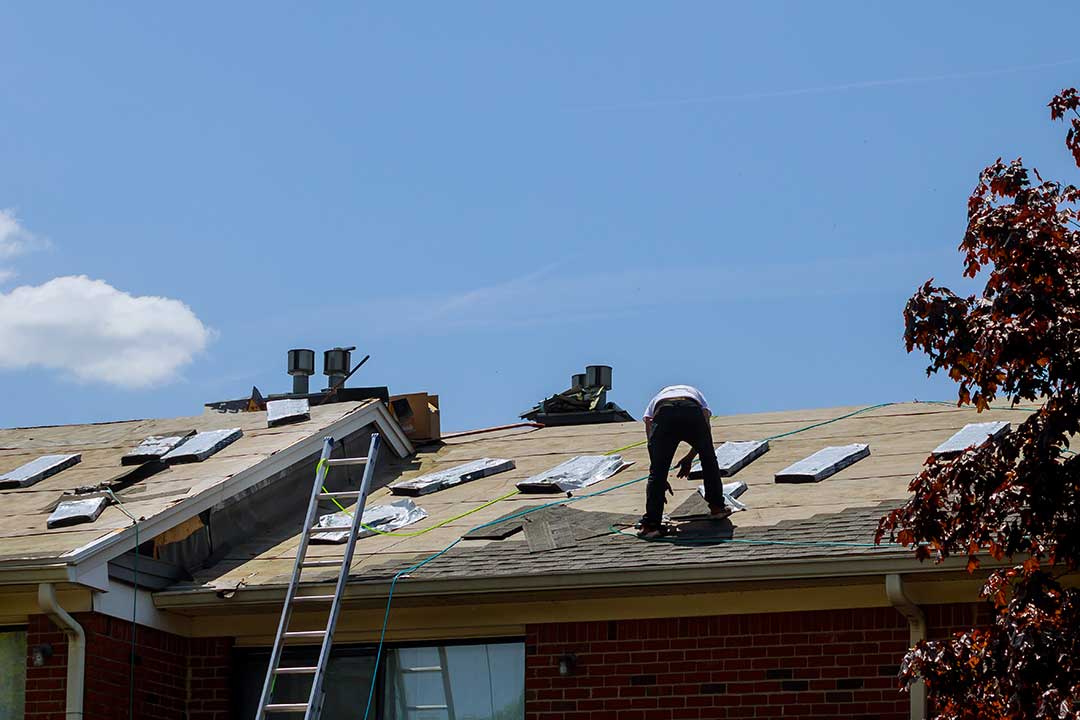
If it’s safe and necessary, a close-up inspection from a sturdy ladder can provide more detail. For pitched or slippery roofs—especially common in older Utica neighborhoods—prioritize safety above close inspection.
Some mold and mildew are noticeable only when cleaning gutters. Pay attention to musty smells, unexpected sludge, or unusual debris.
What Prevents Mold and Mildew from Reappearing?
Eliminating moisture is key. Residents can take practical steps such as:
- Trimming back overhanging branches to increase sunlight exposure on the roof and improve drying.
- Keeping gutters clear before and after heavy storms, snowmelt, or fall leaf drops.
- Checking attic vents to ensure they’re not blocked by insulation or storage.
- Considering the installation of zinc or copper strips at roof peaks, which naturally inhibit fungal growth when rainwater runs over them.
No prevention method is permanent, but regular upkeep timed to the local climate cycle (like spring cleaning after snow is gone) keeps roofs cleaner and healthier.
Are There Common Misconceptions about Roof Mold and Mildew?
A few mistaken beliefs sometimes lead residents to overlook these problems:
- Not all black stains are just dirt; many are early-stage mold or algae.
- Moss is not always more dangerous than mold; mold, due to its penetration, can sometimes do more unseen harm.
- Washing mold and mildew away with a pressure washer can damage shingles or force water under them—manual or soft-wash cleaning is safer for most roofing materials.
- Painted-over stains can return if underlying moisture issues aren’t fixed.
Understanding these common misconceptions helps area homeowners make better decisions about roof care.
