
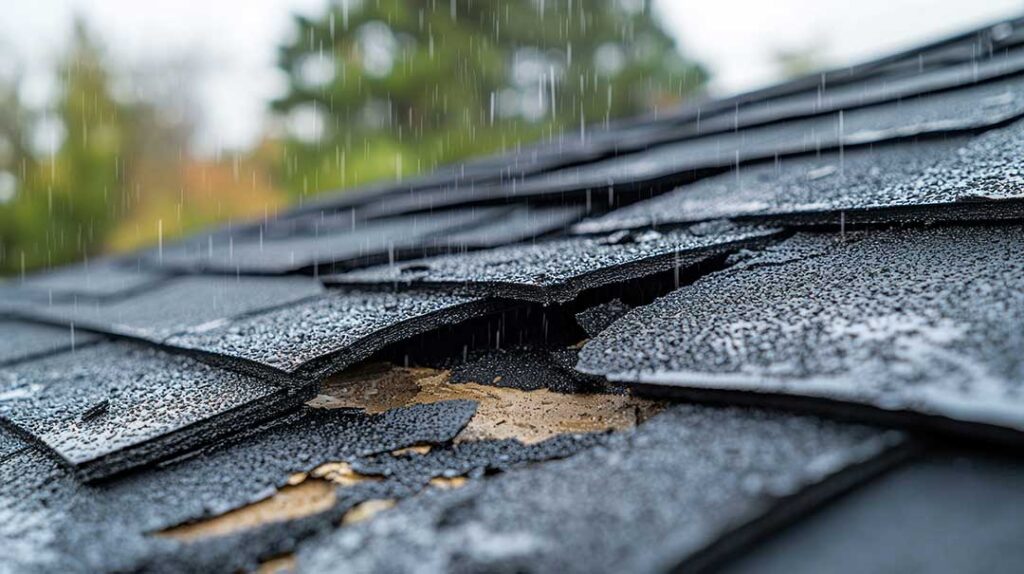
Why Consider a Roof Inspection in Utica, NY?
A professional roof inspection offers a thorough assessment of your roof’s current condition. In Utica, fluctuating seasons, frequent snowfall, and freeze-thaw cycles mean even sturdy roofs can develop hidden issues. Local residents often seek inspections to spot small concerns before they grow into larger, weather-related problems.
What Questions Will an Inspector Address?
Inspectors typically focus on safety and the integrity of your home. They check for signs of damage, leaks, aging, and potential risks specific to the region’s climate. Residents often want to know:
- Is the roof structurally sound after recent storms or heavy snow?
- Are there any leaks or weak spots?
- How much life is left in the current roofing material?
- Is any maintenance, repair, or cleaning needed?
How Does the Inspection Process Work?
Most inspections follow a step-by-step structure. After greeting the homeowner, the inspector will:
- Review the visible exterior from the ground, noting signs of damage or sagging.
- Climb onto the roof (weather and safety permitting) for a close-up look at shingles, flashing, chimneys, skylights, and ventilation.
- Check for moss, lichen, or debris that may accelerate wear—common in tree-lined neighborhoods.
- Inspect gutters and downspouts to ensure proper drainage, especially important before winter freeze.
If interior issues are suspected (such as ceiling stains or attic moisture), the inspector may also:
- Examine attic spaces for insulation, ventilation, leaks, or mold.
- Check roof decking for signs of rot or ongoing water infiltration.
What Are Inspectors Looking for in Utica’s Climate?
In a city where snow loads and ice dams are frequent, a trained eye will pay special attention to:
- Ice dam formation and associated water damage.
- Shingle granule loss and curling, which can increase after harsh winters.
- Exposed or rusty fasteners, which may occur due to freeze cycles.
- Roof penetrations around plumbing vents, satellite dishes, or skylights.
- Chimneys and flashing integrity – older housing stock can mean more wear here.
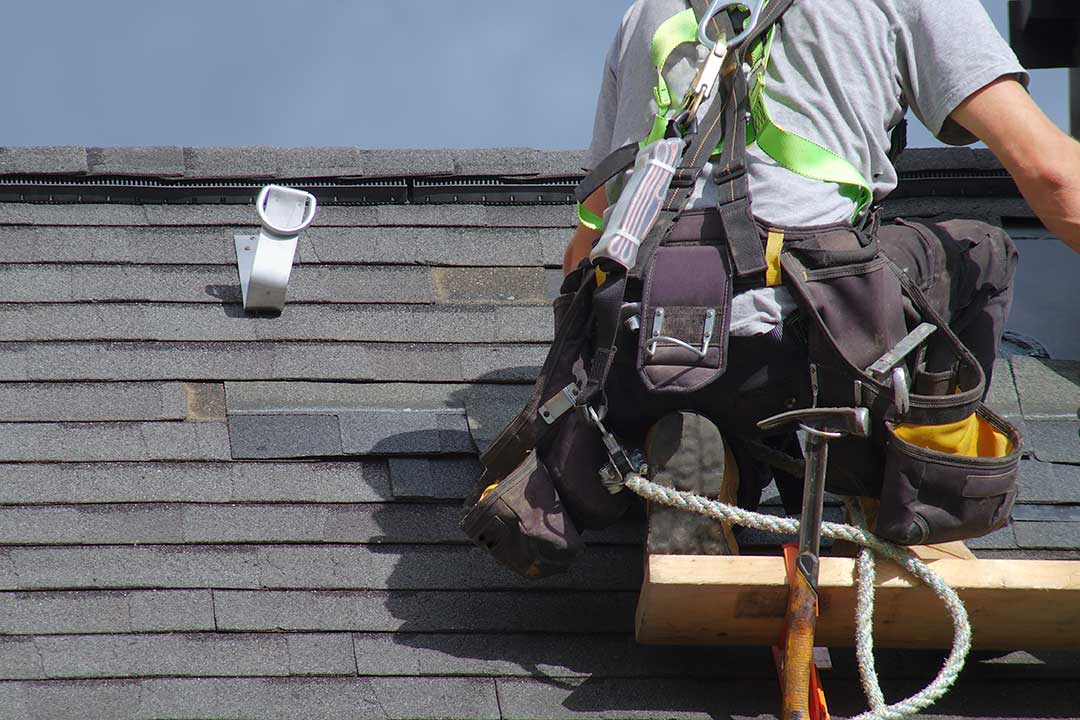
Are Photos or Reports Provided?
Most modern inspections include a written report with photos of any concerns. This documentation helps in tracking roof changes and discussing next steps with insurers or future buyers. It’s common for residents to ask about these materials upfront, as written details make it easier to understand the roof’s status and any recommended actions.
What If Immediate Hazards Are Found?
If an inspection reveals a risk to structural safety—like significant sagging, active leaks, or evidence of an unsafe roof deck—further evaluation or urgent repairs may be required. Residents shouldn’t access or attempt fixes in these cases due to the risk of falls or further damage.
How Long Does a Typical Inspection Take?
For most single-family homes in the area, expect the process to last between 45 minutes and two hours. Older or larger homes might take a bit longer, especially if the roof is steep, complex, or has accessibility issues. Weather can also affect timing, as slick surfaces or snow cover may limit what can be checked safely.
Are There Misconceptions About Roof Inspections?
Many assume that if a roof isn’t leaking, it’s perfectly sound. However, small issues like loose flashing, minor leaks, or missing shingles may go unnoticed until they cause interior damage. Seasonal checking—especially after heavy snow or windstorms—can catch these problems early.
Another common myth is that inspections are only for older homes. Even newer roofs may need periodic checks due to installation quirks, storm damage, or blockages in ventilation.
What Should Local Residents Do Before an Inspection?
Clear exterior access to the roof and remove vehicles or backyard items if possible to provide a safe inspection area. Attic or upper-level access may also be requested. Gathering any history of prior roof work or known problems supports a more productive review.
How Are Inspection Standards Determined?
Inspection procedures are shaped by regional conditions, local building codes, and common roofing materials in the area. Heavy snow, ice, and temperature swings influence what inspectors prioritize—such as robust ventilation, secure flashing, and the health of roof valleys that collect runoff.
Should Residents Expect Disruption?
Inspections are generally non-invasive and cause little disturbance to daily life. There may be some noise from footsteps on the roof, or attic access may require moving stored items. In most cases, the process is quick, straightforward, and minimally disruptive.
