
Why Is Roof Ventilation Important for Homes in Utica, NY?
Proper attic and roof ventilation plays a major role in preserving the life of a roof and maintaining comfort inside central New York homes. In the city’s humid summers and snowy winters, effective airflow under the roof helps manage moisture, prevent costly damage, and stabilize indoor temperatures. Without it, even well-built roofs can develop premature issues that affect the entire home.
Residents often overlook roof ventilation because its effects are not as obvious as leaks or missing shingles. However, understanding its purpose and impact can help households avoid unnecessary repairs and improve comfort throughout the region’s varied seasons.
—
How Does Roof Ventilation Work?
Roof ventilation relies on the natural movement of air. By allowing cooler, fresh air to flow in at the lowest part of the roof (usually the soffits or eaves) and letting warmer, moist air escape higher up (such as through vents or ridges), the system keeps attic spaces drier and less prone to heat buildup. This flow is particularly important in regions like Utica, where weather swings between humid summers and long, cold winters.
Well-designed systems use a combination of:
- Intake vents (eaves, soffits)
- Exhaust vents (ridge vents, gable vents, or roof vents)
This continuous airflow helps prevent trapped heat and moisture from damaging roofing materials or supporting structures.
—
What Problems Can Poor Ventilation Cause in This Area?
Homeowners may notice issues linked to poor ventilation, though the underlying causes are not always obvious right away. Without a way for attic air to circulate and exit, typical issues in Utica-area homes might include:
- Ice dams: Snow accumulates on the roof, and warm air in the attic causes it to melt and then refreeze at the eaves, leading to ice buildup and roof leaks.
- Moisture and mold: Trapped humid air can condense, encouraging mold growth and weakening wooden rafters or insulation.
- Shorter roof lifespan: Overheated attics in summer can literally “cook” shingles from beneath, causing them to age faster and fail earlier.
- Indoor temperature swings: Poor ventilation can make upper floors uncomfortably hot in summer or lead to cold drafts in winter.
Many of these problems show up gradually, and residents might first notice stained ceilings, warped wood, peeling paint, or oddly persistent moisture.
—
How Does Utica’s Climate Affect Ventilation Priorities?
Utica’s weather extremes—cold snowy winters and humid summers—make proper ventilation vital. Local homes face these unique challenges:
- Heavy snowfall and ice: Winters bring repeated freeze-thaw cycles, so allowing heat to escape from the attic reduces the risk of ice dams along the eaves.
- Seasonal humidity: Wet springs and muggy summer months encourage condensation if warm, moist attic air cannot vent, making mold and wood rot risks higher than in many other regions.
- Energy efficiency demands: Area households often seek to reduce heating bills, increasing insulation levels; without ventilation, this can trap excess heat and moisture.
The city’s older homes, with their attics and steep roofs, may be especially susceptible if upgrades have blocked original ventilation paths.
—
What Does Proper Ventilation Look Like in Practice?
A healthy attic in a local house is neither hot and stuffy in summer nor warm enough in winter to melt roof snow directly above it. Good practices include:
- Balanced intake and exhaust: Every vent (intake) near the eaves should be matched by an exhaust vent higher up so airflow is continuous.
- Unblocked air paths: Insulation installers sometimes accidentally block vents, so check that baffles or vent chutes are in place to keep airflow clear.
- Moisture checks: Periodically look for condensation, darkened wood, or any signs of mildew.
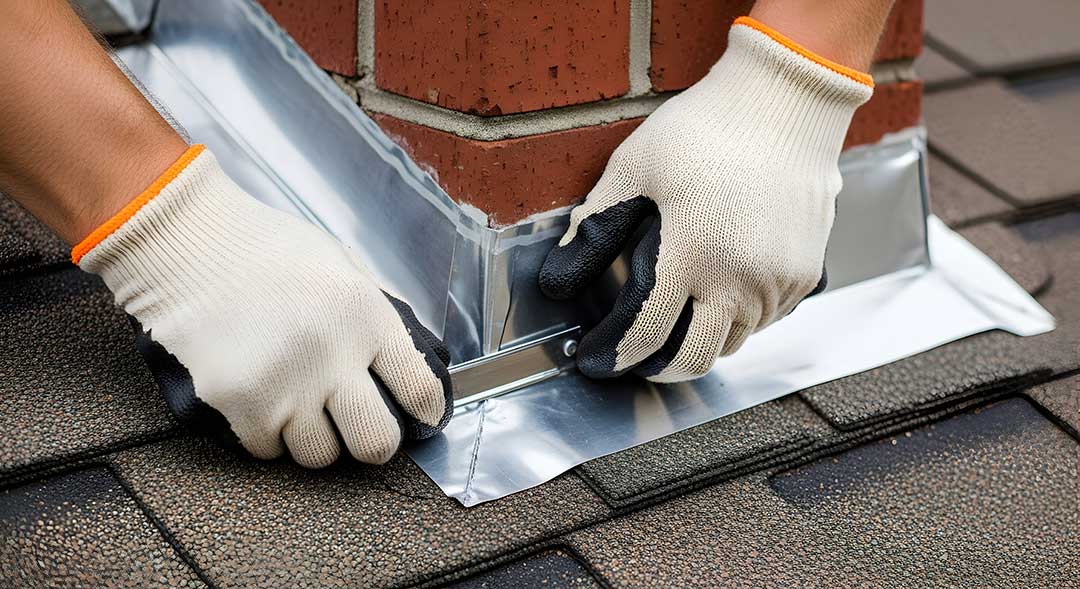
A properly ventilated roof is rarely noticed because it quietly prevents problems—no ice dams, no mildew odors, and no extreme attic temperatures.
—
Can You Improve Ventilation Without Major Renovations?
Many residents worry that fixing ventilation will require major work or roof replacement. In reality, improvements are often practical and incremental:
- Simple tasks like clearing leaves and debris from exterior soffit vents (especially after Utica’s autumn leaf drop) restores airflow.
- Adding a ridge vent or more modern roof vent can be a straightforward upgrade, provided it’s compatible with the existing roof.
- Checking for blocked vents, especially after additional insulation is added, can solve unrecognized issues.
- For unfinished attics, installing baffles (vent chutes) to keep insulation from blocking airflow channels is a relatively quick remedy.
Larger changes, such as redesigning the entire vent system, are typically considered only for roofs that already need major repairs.
—
Are There Local Regulations or Codes to Consider?
Most roofing work—including ventilation—must comply with building codes that set minimum airflow requirements per square foot of attic space. Utica property owners should be mindful of these standards, especially when planning additions, remodels, or insulation upgrades.
Local building departments and municipal inspectors typically reference statewide codes. This means that even proactive homeowners should verify that any changes meet current requirements, to avoid future issues when selling a house or during inspections.
—
Common Misconceptions About Roof Ventilation
It’s easy to misunderstand how roof ventilation works, leading to mistakes even by well-intentioned residents. Some common myths include:
- “Vents make homes drafty.” In truth, attic ventilation does not significantly affect heated living spaces when insulation is installed correctly.
- "More vents mean better results.” Too many exhaust vents, or only exhaust without intake, can disrupt airflow and reduce effectiveness.
- "Metal roofs don’t need ventilation.” Every roof material benefits from correct airflow underneath, including metal and newer synthetic products.
Awareness of these common misconceptions can help local homeowners make more informed maintenance and improvement choices.
