

Why Should Utica, NY Residents Perform Roof Maintenance Themselves?
Homeowners in Utica, NY often face challenging weather, with heavy snow, ice, and seasonal storms being part of the regular cycle. Proactively caring for a roof can extend its service life, reduce surprise repair costs, and help protect personal property inside the home. Simple, routine tasks—many of which do not require technical expertise—can be safely managed by local residents.
What Local Weather Factors Should Be Considered?
Utica's cold winters and frequent snow mean roofs in the area endure more freeze-thaw cycles than in many other parts of the country. Ice dams, standing water from melting snow, and springtime debris are all common issues. Residents should prioritize the following:
- Check for ice dams at the edges of the roof after snowfalls.
- Remove debris like branches and leaves from valleys and gutters after storms.
- Inspect shingles for wear after harsh winter weather.
Locally, roofs are often pitched to shed snow, but even so, accumulation can stress older roof structures. Being aware of snow load and safe removal techniques is key for area households.
How Often Should Routine Roof Checks Happen?
Examining the roof twice per year, typically each spring and fall, aligns well with Utica’s weather patterns. Spring inspections help assess winter damage, while fall checks prepare for snow and ice.
- After each major storm, do a visual scan for missing shingles or obvious damage.
- In autumn, clear gutters and downspouts when leaves start to fall.
- In spring, look for new growth (such as moss or lichen) and emerging leaks.
Avoid checking the roof during icy or stormy conditions to stay safe.
What Are Safe DIY Maintenance Steps for Residents?
Most basic roof upkeep tasks can be handled from the ground or with a stable ladder. Safety comes first—never walk on a roof when it’s icy, wet, or steeply pitched.
Some practical steps include:
- Use binoculars or a phone camera with a zoom lens to inspect hard-to-reach areas from the ground.
- Gently clear gutters with a small scooping tool or gloved hands, followed by flushing with a garden hose.
- Remove moss with a broom or brush (never a pressure washer).
- Look for raised or curled shingles, which could indicate water infiltration or wind damage.
- Scan for peeling flashing around chimneys, vent pipes, and skylights.
Always have someone else present when using a ladder, and keep ladders level and securely placed.
What Roof Maintenance Tasks Should Be Avoided by Non-Professionals?
Certain roof issues require specialized tools, knowledge, or safety gear. These include:
- Replacing multiple shingles in one area or large swathes of roofing.
- Removing heavy snow loads from steep or high roofs.
- Repairing structural elements like rafters or trusses.
- Working on roofs with visible sagging, soft spots, or evidence of widespread rot.
Attempting these tasks without professional support can be dangerous or cause further damage.
How Can You Spot Issues Before They Become Major Problems?
Early identification is the hallmark of effective DIY maintenance. Typical signs of trouble that area households sometimes overlook include:
- Water stains or peeling paint on ceilings could signal a slow leak, even if no water is visible.
- Granules from asphalt shingles accumulating in gutters generally mean shingles are aging.
- Persistent ice dams suggest long-term insulation or ventilation issues.
- Sagging gutters may not drain properly and can pull away from the house, leading to leaks at the fascia.
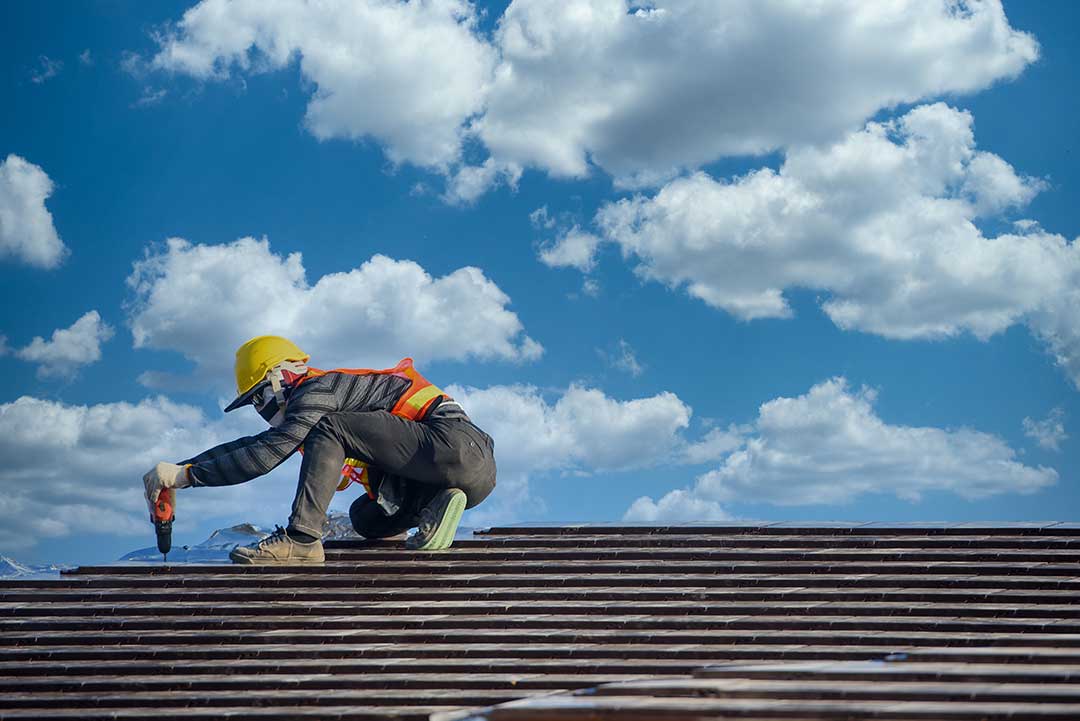
Photographing problem spots with a smartphone and comparing them season to season can help track changes over time.
Are There Products or Tools Commonly Misused in DIY Roofing?
Residents sometimes apply sealants or roof paints that claim to fix leaks permanently. While some products can provide a short-term patch, they rarely address underlying causes such as failed flashing or damaged underlayment.
Pressure washers are another common pitfall—while they quickly clear moss and debris, the high force can dislodge granules or damage shingles, especially after harsh Utica winters have already weakened roofing materials.
If tackling gutter cleaning, avoid sharp garden tools which might puncture liners or joints.
What Steps Can Be Taken Between Professional Inspections to Prolong Roof Life?
Safeguarding a roof in between checkups is all about preventing minor issues from developing into major problems. Area residents can:
- Keep tree limbs trimmed back so they do not scrape the roof or clog gutters.
- Sweep excess debris off the roof following a storm, if safe to do so from a ladder.
- Monitor attic humidity and condensation, as uncontrolled moisture can damage decking and insulation.
- Ensure downspouts direct water away from the foundation—especially important in neighborhoods with older homes.
- Maintain visible records of repairs and maintenance; this helps in identifying developing patterns or planning replacement timing.
Being consistent with these practices can pay off in long-term durability, especially given the variable weather throughout the year.
What Are Some Overlooked Roof Areas in Local Homes?
In homes with additions, dormers, or attached garages, junctions where different rooflines meet are especially vulnerable to leaks. Valley areas and flat drainage planes collect more debris and are often overlooked in casual inspections.
Chimney flashing and attic vents are other common trouble spots. Ensure any visible metal has not come loose or started to rust, and that caulking hasn’t failed, especially after a tough winter season.
Can Preventive Maintenance Help Avoid Emergency Repairs?
By spending a bit of time each season on basic tasks, local residents dramatically reduce the risk of leaks and structural issues. Even small efforts—like cleaning gutters or removing roof debris—can spare households from sudden storm damage or costly interior water problems.
The most effective roof care in the community is routine, attentive, and well-matched to local conditions. Continued vigilance is the best defense against both minor annoyances and major disasters.
