
How Long Does a Typical Roof Last in Utica, NY Weather?
Most residential roofs in Utica, NY last between 15 and 30 years, depending on materials and local conditions. Asphalt shingles—common on area homes—generally have a lifespan of 20-25 years, while metal, tile, or slate roofs can last longer. Because the region faces cold winters, frequent freeze-thaw cycles, and several months of snow accumulation, roofs here often need more attention than in milder climates. Repeated ice damming, heavy snow loads, and sudden thaws can accelerate wear and tear, especially if attic insulation or ventilation is not optimal.
What Are the Most Obvious Signs a Roof May Need Replacing?
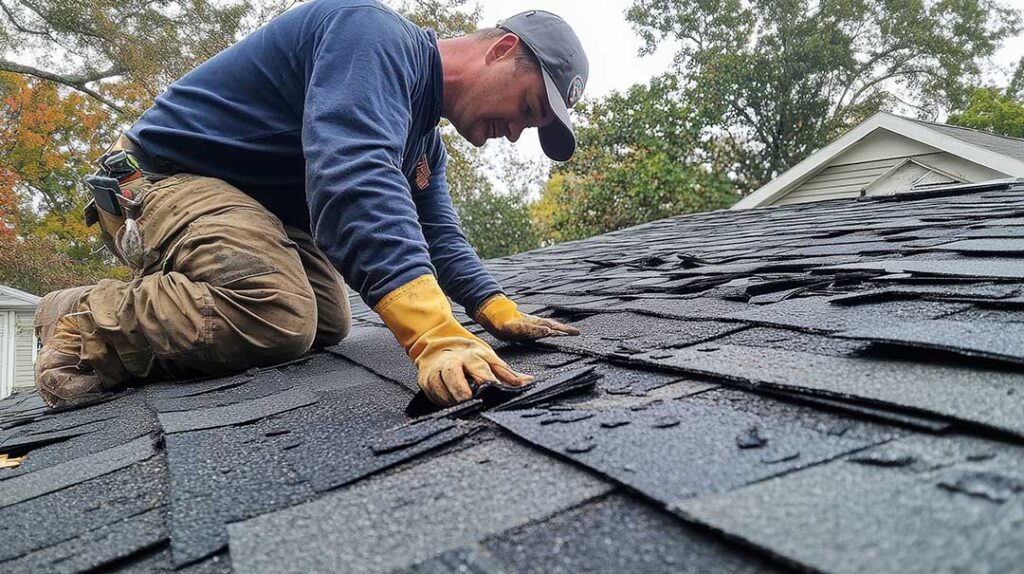
Cracked, curled, missing, or loose shingles are among the most noticeable red flags. If patches of shingles appear visibly different from others (either in color or texture), this may indicate repairs or replacements that don’t match the original installation—suggesting underlying problems. Other clear indicators include:
- Significant granule loss, with shingle debris accumulating in gutters or around downspouts
- Large areas of moss or algae growth, especially on shaded roof sections
- Multiple visible leaks inside the home, water stains on ceilings, or bubbling paint along upper interior walls
Even small leaks can cause long-term damage to insulation, drywall, or electrical systems if left unaddressed through multiple freeze-thaw cycles.
How Can You Tell if Damage Is Due to Age or Local Weather Events?
Both age and climate contribute to roof problems in the area. Gradual aging usually leads to widespread wear: most or all shingles lose their protective granules, edges curl, and the roof looks tired. Isolated storm-related damage, on the other hand, often results from high winds, hail, or fallen branches. After major snowstorms or spring wind events, inspect rooftops for displaced flashing, missing shingles in patches, or areas where heavy snow may have displaced materials.
Residents who notice new leaks or structural changes following a local storm should investigate promptly, as small breaches can widen after the next thaw or rain.
Is It Time to Replace or Just Repair?
Minor issues such as a handful of missing shingles, a loose flashing, or isolated granule loss can often be repaired. However, consider full replacement if:
- Multiple repairs have been needed over a few years
- The roof is at or past its expected lifespan
- Shingle tab edges are brittle, cracking, or lifting across large sections
- Soft spots or sagging rooflines are visible when viewed from the street
Patchwork repairs only delay the inevitable when most materials have deteriorated beyond their useful life. Homeowners sometimes hope to buy “one more season” from a roof, but repeated failures—and the water damage they cause—often end up costing more than replacing worn-out materials before a major leak occurs.
What Problems Occur When Roof Replacement Is Delayed?
Waiting too long to replace an old or failing roof in this region exposes a home to water infiltration, ice dams, attic mold, and potential insulation damage. Local homes often have attics or upper rooms finished only lightly, so water entering through roofing materials can go undetected until staining or warping appears inside. Left unchecked, chronic moisture leads to:
- Rotting roof decking or framing
- Insulation compaction (lowering energy efficiency)
- Mold growth affecting indoor air quality
- Damaged electrical wiring or fixtures
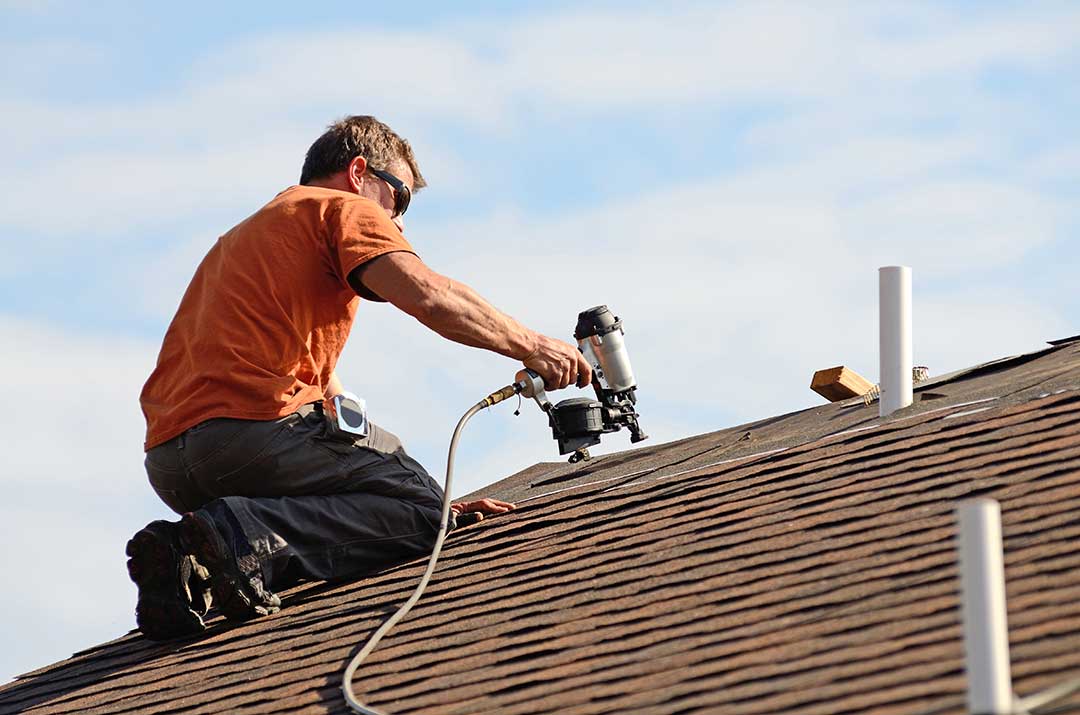
Under local building regulations, severe structural damage may also require deck replacement or additional repairs before a new roof can be installed, adding to the overall project cost.
How Do Seasons Affect When You Should Replace a Roof?
Roofing work is generally done between late spring and early fall when temperatures are above freezing and roofs are clear of snow. Cold weather and snow make repairs or replacement impractical and can compromise shingle adhesion. In Utica, summer or early fall is often the best time for a roof replacement, since conditions are more consistently dry and crews can work safely. Planning ahead reduces the risk of urgent replacements during winter storm season, when emergency access is limited and costs may rise due to weather delays.
What Are Common Myths About Roof Lifespan and Upkeep?
Several misconceptions circulate among area homeowners:
- Roofs installed decades ago aren’t necessarily “better built” or longer-lasting than modern ones; materials and installation methods have improved significantly over time.
- Moss growth is not just cosmetic—by holding moisture against shingle surfaces, it speeds up material decay.
- Covering an old roof with new shingles is sometimes allowed, but this can trap moisture and hide underlying problems, resulting in faster failure later on.
- Annual or seasonal visual checks—especially from the ground or attic—can help catch problems early, but a failing roof will not “heal” just because there’s a mild winter.
Deciding when to replace a roof involves balancing present issues with long-term upkeep, considering the climate’s effects, and understanding what repairs can (and can’t) accomplish for an aging system. Residents can often tell it’s time when maintenance needs escalate, leaks become harder to control, or neighbors are also investing in new roofs after many years in the same neighborhood.
