

Why Prepare Your Roof for Hurricanes in Utica, NY?
Preparing a roof for hurricane season is especially important in Utica, NY, because while direct hurricanes are uncommon, remnants and strong wind events can still cause significant roof damage. Local homes often have aging shingles and diverse roof designs, making wind-driven rain and debris key threats during severe storms.
What Roof Issues Matter Most Before Hurricane Season?
The most critical issues to address before storm season are loose, missing, or damaged shingles, weak flashing, and blocked gutters. These vulnerabilities can let water in or allow high winds to lift roofing materials. Even small openings, like gaps along vents or chimneys, can cause leaks or blowoffs when storms hit.
Inspect the following areas:
- Shingles: Look for curling, cracked, or missing pieces.
- Flashing: Check where the roof meets walls or skylights.
- Gutters: Verify they’re clear and securely fastened.
- Roof edges: Confirm they’re firmly attached, as wind can peel them back.
Neglecting these basics is a common mistake that leads to preventable damage during wind and rain.
How Can Homeowners Safely Inspect Their Own Roof?
Residents can catch many issues from the ground or using binoculars. Walk around your home and look for uneven lines, exposed nails, or piles of shingle granules near downspouts. If you need to check closer, use a ladder only on stable, dry ground, and avoid stepping onto steep or slippery surfaces. Binoculars or smartphone camera zoom can help spot details along the roofline.
If you see significant sagging or suspect rot, stay off the roof and consult someone with proper safety equipment to assess the risk.
What Steps Help Reinforce an Existing Roof?
Reinforcing a roof doesn’t require a full replacement. Key preventive steps include:
- Securing loose shingles with roofing cement or replacing damaged ones.
- Re-nailing or screwing down any loose drip edges and metal flashing.
- Applying exterior-grade sealant along vent boots, flashing, and skylight edges.
- Clearing blocked gutters and downspouts to prevent overflow.
- Trimming overhanging tree branches so they can’t hit the roof in strong winds.
Most area homes with asphalt shingles benefit greatly from these small repairs and upgrades before the main storm season.
Which Areas of the Roof Are Frequently Overlooked?
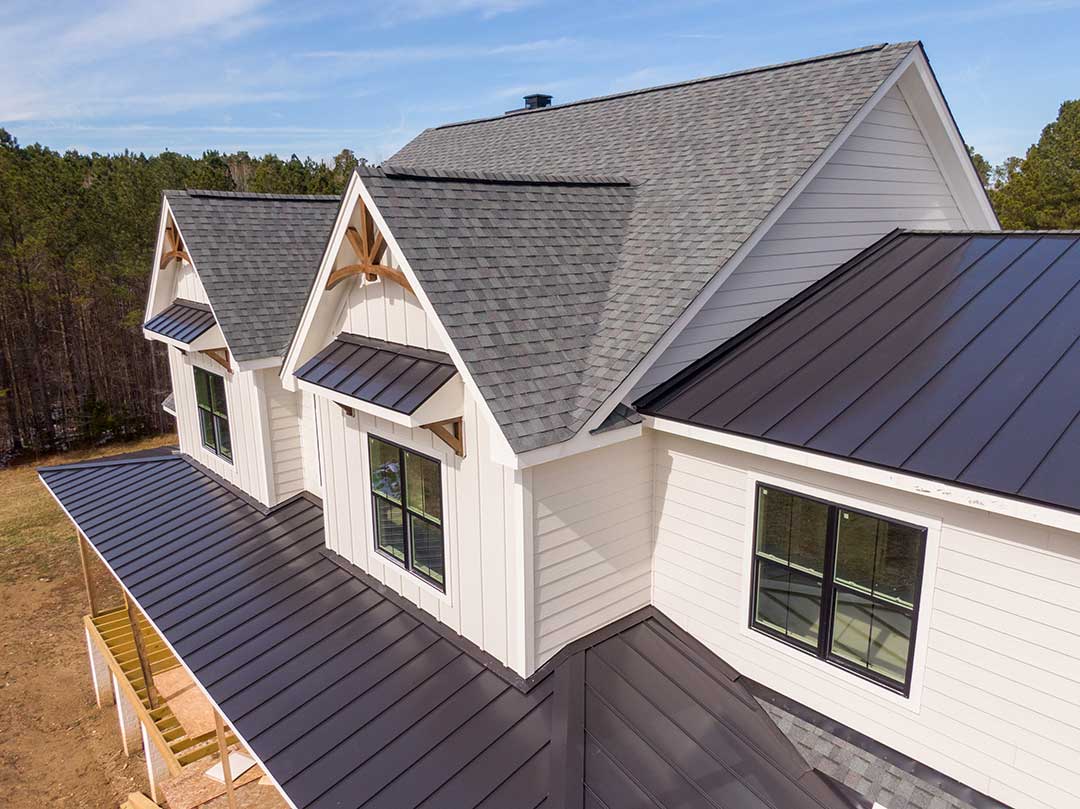
In Utica, homeowners often miss the importance of roof-to-wall connections and attic ventilation openings. Eaves, ridge vents, plumbing vent boots, and soffit panels can all become entry points for water or wind-driven debris.
Skylights, especially older models, may also need extra caulk. Weatherstripping on attic fans and gable vents deserves inspection, as even a minor gap can let rain in during a worst-case downpour.
Should Tarps or Temporary Coverings Be Used?
Applying a tarp is only advisable when immediate, severe damage is discovered and there’s not enough time for a repair. Properly installed tarps should be nailed or fastened at least a foot past the damaged area and weighted down at the edges. However, tarps are not a substitute for a proper fix; they are best as an emergency measure while you plan repairs.
What Local Conditions Affect Roof Preparation Needs?
The city’s climate includes frequent freeze-thaw cycles and periods of heavy rain in late summer and fall. These patterns mean shingles and underlayment can degrade faster than in warmer, drier climates. Roofing granules may wash out more rapidly, and flashing can pull away more easily as materials expand and contract. Tree limbs, already weakened by snow or ice, are more likely to break in high winds, so monitoring nearby trees is relevant in this region.
What Can Residents Do on Short Notice Before a Storm Arrives?
If a hurricane is expected or strong winds are forecast, local residents should:
- Double-check and secure loose items in their yard.
- Perform a final visual check for loose shingles or metal parts.
- Ensure all gutters are clean and downspouts point away from the foundation.
- Safely trim any small, dead branches close to the roof.
- Close attic windows or vent covers if adjustable.
Beyond these steps, pay attention to local weather alerts and official recommendations. Avoid risky repairs as storms draw close; focus on what can be accomplished safely from the ground.
