

What Are Ice Dams, and Why Do They Form in Utica, NY?
Ice dams are ridges of thick ice that build up along the lower edges of roofs after heavy snowfall, blocking melting snow from draining off properly. In Utica, NY, these formations are a common winter concern due to regular snow accumulation, frequent temperature swings, and variable attic insulation found in many local homes.
An ice dam forms when rooftop snow melts from warmer parts of the roof and then refreezes near the colder eaves, where gutters are often located. Water gets trapped behind the dam, sometimes backing up under shingles and leaking into the home. This cycle is especially prevalent in the city because winter often brings fluctuating day and night temperatures, with daytime thaws followed by overnight freezes.
What Damage Can Ice Dams Cause to Roofs and Homes?
Ice dams can lead to both immediate and long-term problems for area households. They are not just a cosmetic issue but can affect both the structure and comfort of a home.
- Roof leaks: Water backed up behind an ice dam can seep under shingles, causing damage to the roof deck and attic insulation.
- Interior damage: Leaks can lead to stained ceilings, warped floors, peeling paint, and mold or mildew growth.
- Gutter issues: The weight of ice can pull gutters away from the house, bending or breaking them.
- Longevity of the roof: Repeated ice damming and associated moisture problems can shorten the lifespan of roofing materials.
Because Utica experiences long cold seasons and heavy snow loads, homes with older roofs, less attic insulation, or uneven heating are at greater risk.
What Makes Ice Dams More Common in this Area?
Several local conditions make ice damming a recurring concern:
- Frequent freeze/thaw cycles: Average winter temperatures in the city swing above and below freezing, leading to repeated melting and re-freezing of roof snow.
- Typical roof styles: Many residential roofs have low to moderate pitches and overhangs, which can allow meltwater to reach and refreeze at the eaves.
- Insulation and ventilation: Older homes in the community often have uneven attic insulation or blocked vents, increasing the likelihood of warm spots on the roof.
- Deep snow cover: Accumulated snow acts as both an insulator and a source of continuous meltwater.
Understanding these local patterns can help residents anticipate when ice dams are most likely to form and what parts of their homes may be at the greatest risk.
How Can Ice Damming Be Prevented?
Limiting the risk of ice dam formation generally involves keeping the entire roof as close to the outside temperature as possible, so that snow does not melt unevenly. There are several proven strategies adapted for this region’s homes:
1. Improve attic insulation
- Ensuring the attic floor is well-insulated prevents heat from escaping into the attic and warming the roof. Most area homes benefit from 12-16 inches of evenly distributed insulation.
2. Increase attic ventilation
- Clear soffit and ridge vents allow cold outside air to circulate in the attic, keeping it cool. Many problems stem from blocked or undersized vents.
3. Air seal gaps
- Sealing cracks, plumbing chases, recessed lighting fixtures, and attic hatches can stop household heat from leaking into the attic space. Even small gaps can raise attic temperatures enough to start the damming process.
4. Safely remove roof snow
- After heavy storms, using a roof rake to clear the first few feet of snow from the eaves can reduce the amount of meltwater reaching the cold edge. It's safest to do this from the ground with a long-handled roof rake.
- Avoid using shovels or sharp tools, as these can damage shingles.
5. Consider water-repellent underlayment
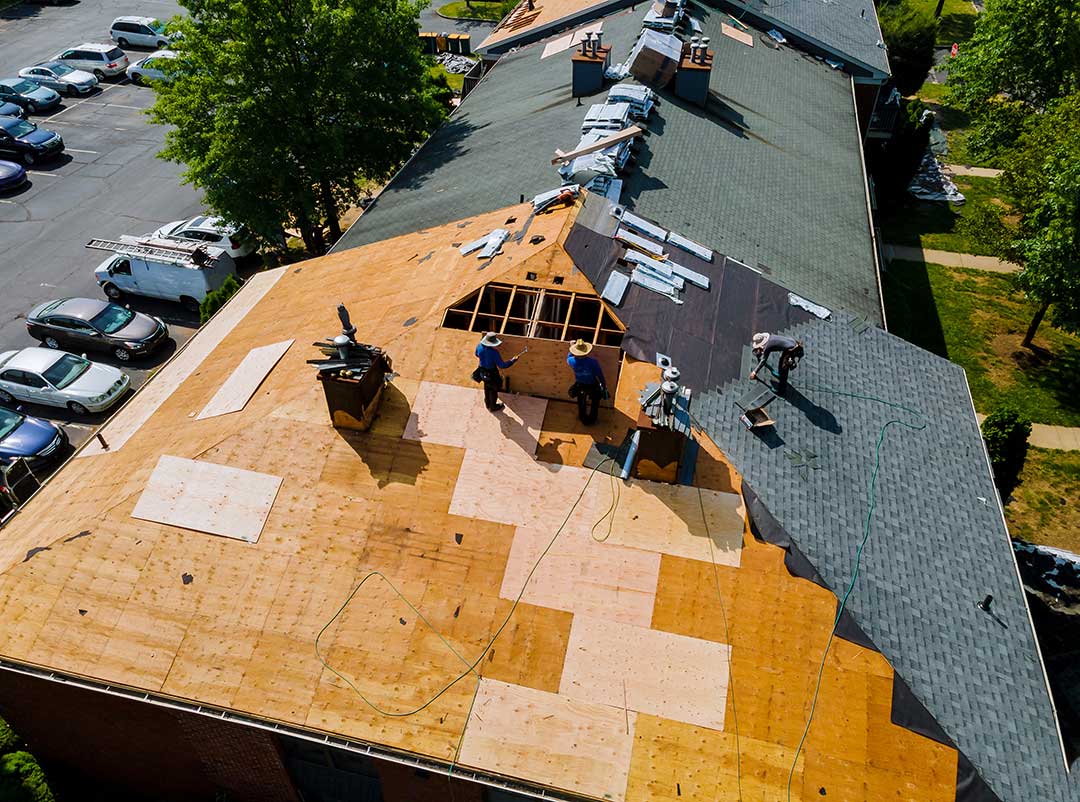
- When replacing roofing, many local homeowners opt for ice and water shield membranes under shingles along the eaves for extra protection against minor leaks.
Is Using Salt or Chipping Away Ice a Good Idea?
Applying rock salt or hacking at ice dams can seem like a quick fix but both methods have drawbacks:
- Salt and de-icers: These can damage shingles, kill plants, and stain siding as they wash off the roof.
- Chipping ice: Using sharp tools often leads to cracked or punctured roofing materials, making leaks more likely.
- Heated cables: Some homeowners try installing electric heat cables along roof edges, but these are best viewed as a last resort rather than a long-term solution. Regular use can mask underlying insulation problems.
For most houses, focusing on insulation, ventilation, and safe snow removal is the most reliable approach.
What Are Common Misconceptions About Ice Dams?
Many local residents believe that ice dams are simply a product of snow buildup or clogged gutters. In reality, an ice dam’s root cause is usually uneven roof temperatures caused by heat loss from inside the house. Clearing gutters in fall is helpful for drainage, but gutters alone do not cause or prevent dams. Another frequent misconception is that new homes are immune; however, even newer construction can develop issues if ventilation or insulation is inadequate.
When Is Professional Help Necessary?
Most preventive steps can be handled by homeowners, but certain circumstances warrant extra caution:
- Large, heavy ice dams: Removing thick ice or snow from roofs with steep pitches, complicated layouts, or frozen-over gutters may be hazardous. Safety must come first when using ladders or tools in icy conditions.
- Water leaks inside: If there is visible leakage, significant staining, or persistent dampness indoors, addressing the issue quickly can prevent mold or structural damage.
Local building and safety guidelines recommend that if structural stability or safe access is ever in question, it’s best to avoid taking risks with roof work during winter.
